-

EPP foam vs EPO foam in RC airplane application
When choosing between EPP and EPO foam for RC airplane applications, it's important to understand the pros and cons between durability, flexibility, finish, weight, and ease of repair. Both are popular, but they serve slightly different purposes depending on the type of aircraft and the pilot's priorities.
넶57 2025-05-27 -

ETPU foam tires
ETPU (Expanded Thermoplastic Polyurethane) foam tires are a type of tire technology often used in various applications like stroller wheels, bicycles tires, sports and safety shoe accessories, pet dog chewy fetching toys, and even some forms of industrial machinery. ETPU is known for its excellent balance between durability, flexibility, and shock-absorbing properties. When used in tires, this material can offer several benefits:
넶46 2024-12-20 -

EPP (Expanded Polypropylene) foam packaging case for performance drones
Design lightweight and durable packaging and components using EPP, including drone applications. Provide solutions emphasize weight savings and shock absorption, which could suit companies focused on aerial technologies like drone light shows
넶44 2024-11-21 -

How EPP foam contributes to Karting Boats and Electric Hydrofoils?
The Jet Karting Boat and hydrofoil board features a new design philosophy that integrates modern technology with user needs, providing a unique water experience.
넶86 2024-11-16 -

The Insulation Principles of EPP Insulated Boxes
The closed-cell structure and insulation principles of EPP insulated boxes provide them with exceptional thermal insulation performance, structural stability, and durability. These features make EPP insulated boxes widely applicable and recognized in fields such as cold chain logistics, food preservation, pharmaceutical storage, and outdoor exploration.
넶44 2024-11-15 -

EPP Foam Packaging Box for Violin
EPP (Expanded Polypropylene) foam is an excellent material choice for packaging, especially for delicate items like a violin.
넶86 2024-09-03 -

The key differences between EPS and EPP foam helmet liners
EPS (Expanded Polystyrene) and EPP (Expanded Polypropylene) are two types of foam commonly used as helmet liners due to their protective properties.
넶86 2024-09-02 -

EPP (Expanded Polypropylene) foam stepping stones are lightweight, durable, and versatile products commonly used for various purposes
EPP (Expanded Polypropylene) foam stepping stones are lightweight, durable, and versatile products commonly used for various purposes, such as playgrounds, fitness areas, and physical therapy.
넶65 2024-08-23 -

EPP foam duct HVAC applications
EPP (Expanded Polypropylene) foam is a type of foam that is known for its durability, flexibility, and lightweight properties, making it an ideal material for various applications, including HVAC (Heating, Ventilation, and Air Conditioning) structural parts.
넶76 2024-08-23 -

EPP Foam Building Blocks - The Future of Safe and Sustainable Play Introduction
Introducing EPP Foam Building Blocks, the innovative and eco-friendly toy designed to spark creativity and imagination in children while ensuring the highest standards of safety and sustainability. Our building blocks are made from Expanded Polypropylene (EPP) foam, providing a lightweight, durable, and environmentally conscious alternative to traditional plastic toys.
넶60 2024-07-18 -

ETPU particle foam are the back-friendly cushioning and movement-supporting material in the bicycle industry
E-TPU foam tire is a compelling option for many cyclists who are looking for lightweight, durable, and maintenance-free alternatives to conventional bicycle tires.
넶45 2024-07-09 -

EPP foam stepping stones for kids toy products
EPP foam stepping stones designed as a toy product for kids offer a range of benefits and features that make them popular among parents and educators alike.
넶64 2024-07-09 -
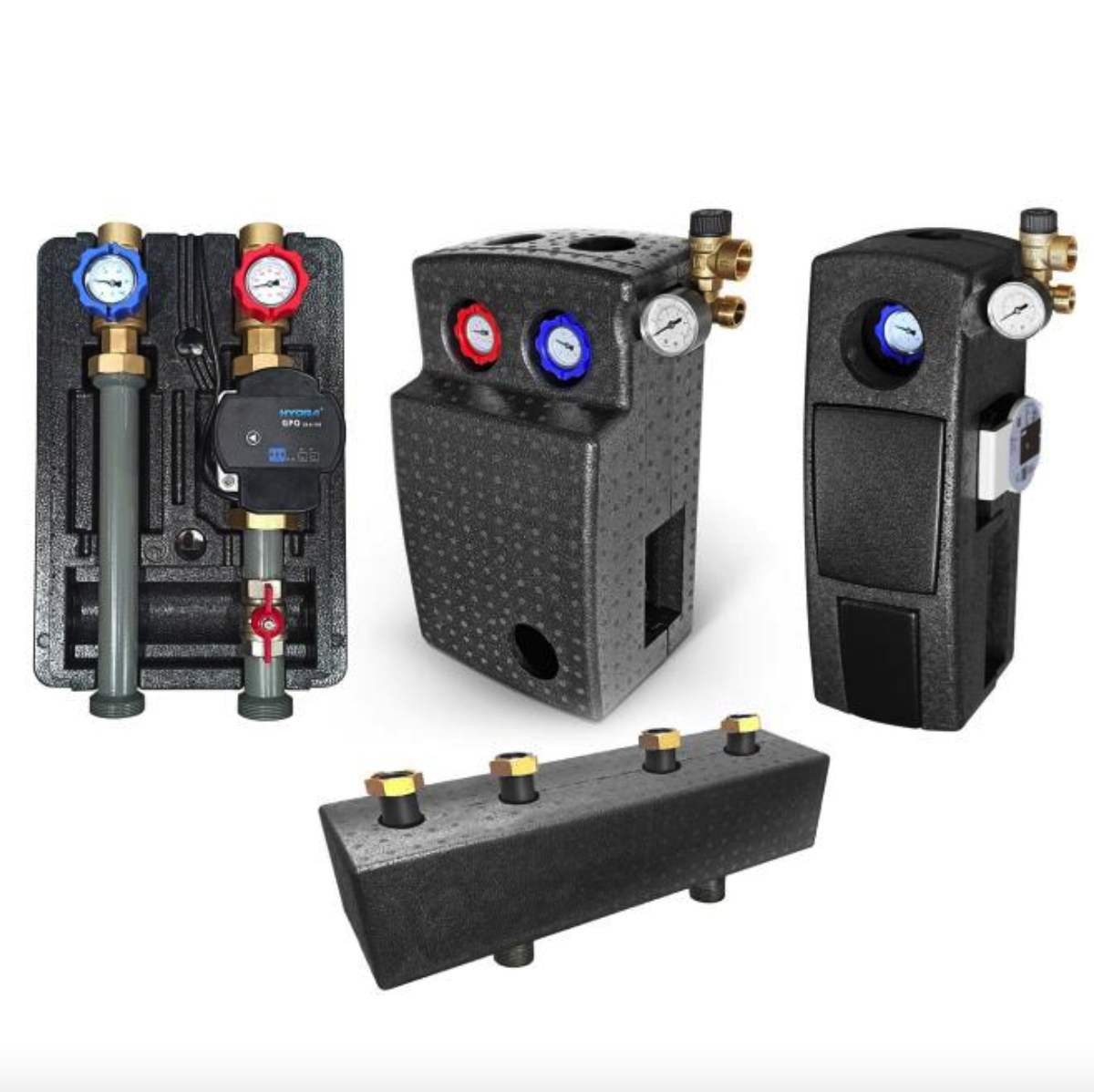
How EPP foam can be beneficial for HVAC structure casing
EPP is an excellent material choice for HVAC structural parts because it can be molded into complex shapes without losing its resiliency.The design flexibility of EPP enables key system components such as pumps, boilers, valves, heat-exchangers and control mechanisms to be universally housed in EPP to improve their insulation.
넶59 2024-04-01 -
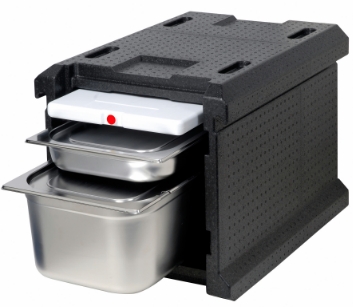
Transport and insulation made easy with EPP foam boxes
EPP foam cooler and heat insulation boxes are increasingly popular for various cooling and storage needs due to their excellent insulation properties, durability, and lightweight construction.
넶74 2024-04-01 -
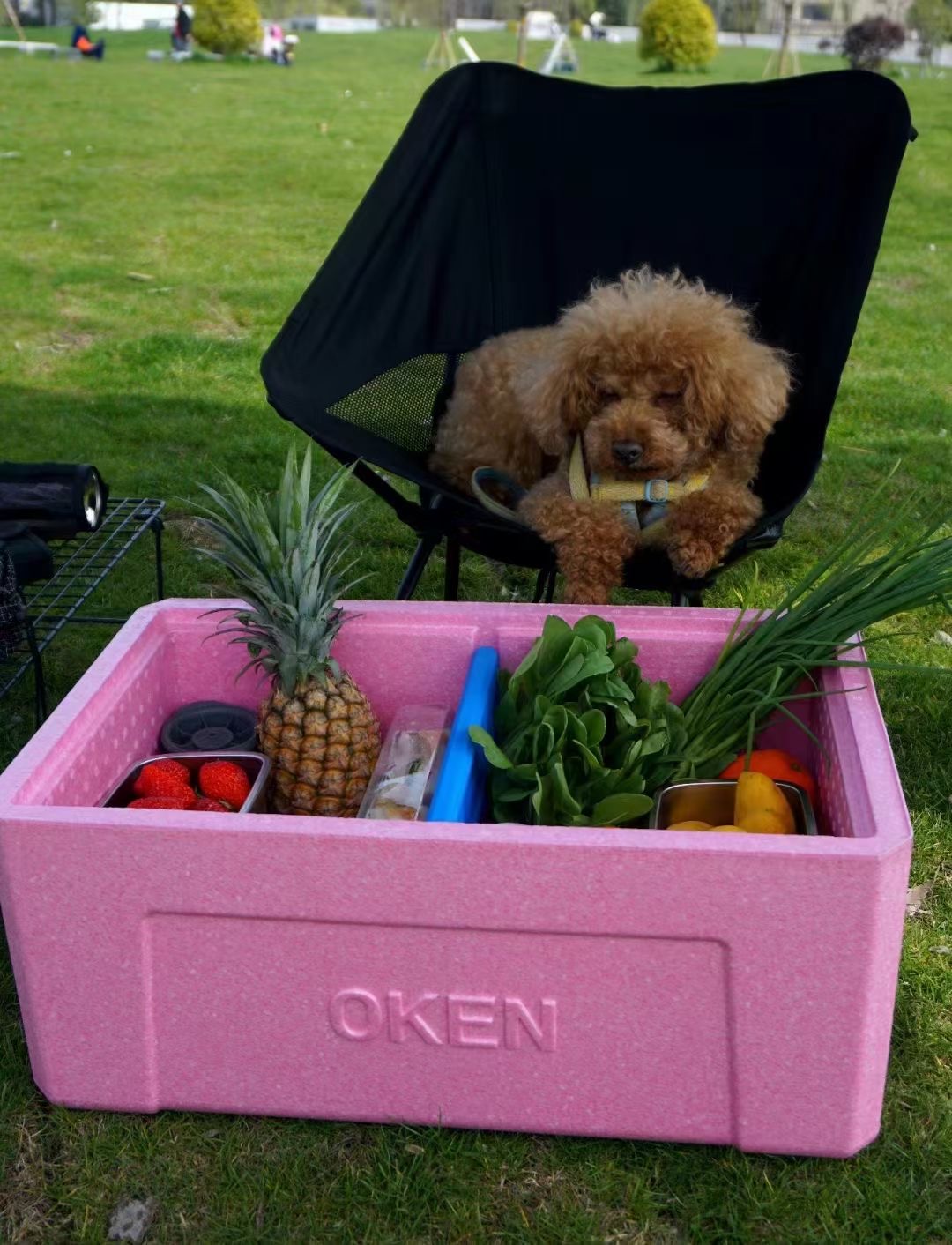
EPP foam insulation boxes
EPP insulation boxes have become indispensable companions for many families during outdoor activities such as picnics, camping, and travel. Whether it's cold drinks, fruits, or cooked food, as long as they are placed in EPP insulation boxes, they can be kept fresh and at the desired temperature, allowing you to enjoy delicious food even outdoors.
넶148 2024-03-22





The Insulation Principles of EPP Insulated Boxes
In modern cold chain logistics, food preservation, pharmaceutical storage, and outdoor camping, EPP (Expanded Polypropylene) insulated boxes have gained widespread recognition and application due to their unique advantages. Their exceptional thermal insulation performance, lightweight durability, and eco-friendly characteristics are mainly attributed to their unique closed-cell structure and the complementary insulation principles that go along with it.

### The Closed-Cell Structure of EPP Insulated Boxes
The internal structure of EPP insulated boxes resembles a honeycomb-like closed-cell configuration, composed of numerous tiny, sealed air bubbles. These bubbles are evenly distributed within the material, forming natural thermal barriers. This closed-cell structure offers the following advantages:
1. **Outstanding Thermal Insulation Performance**: Since air is a poor conductor of heat, when it is trapped within these tiny spaces, it forms a layer of insulation that is difficult to penetrate. This significantly reduces heat convection, providing excellent thermal insulation for the EPP insulated box.

2. **Structural Stability**: The closed-cell structure enables the EPP insulated box to maintain the integrity of its internal structure when subjected to external pressure or impact. This stability ensures that the thermal insulation performance remains consistent over time, allowing the EPP insulated box to better withstand shocks and vibrations during transportation.

### The Insulation Principles of EPP Insulated Boxes
The insulation performance of EPP insulated boxes is mainly based on their closed-cell structure and the inherent properties of the material itself. Specifically, this includes the following:
1. **Low Thermal Conductivity**: EPP material has an extremely low thermal conductivity, meaning heat is difficult to transfer through the material. The combination of this low thermal conductivity with the closed-cell structure makes EPP insulated boxes excellent at maintaining temperature.
2. **Slowing Down Heat Transfer**: Whether storing high-temperature food or keeping items in cold storage, EPP insulated boxes effectively slow down the transfer of heat, keeping the contents at a consistent temperature for longer periods.

### Application Advantages of EPP Insulated Boxes
The closed-cell structure and insulation principles of EPP insulated boxes provide them with numerous application advantages, including:
1. **Cold Chain Logistics**: In cold chain logistics, EPP insulated boxes can reduce the cooling power and operation time of refrigerated vehicles, thereby lowering fuel consumption and transportation costs. Their robust and durable nature also ensures that goods are well-protected during transport.
2. **Food Preservation**: Whether for commercial food delivery or outdoor vending, EPP insulated boxes offer a stable and safe storage environment for food. Their excellent thermal insulation ensures that food retains its freshness, taste, and nutritional value over extended periods.

3. **Pharmaceutical Storage**: For temperature-sensitive pharmaceuticals and vaccines that require refrigeration or freezing, EPP insulated boxes provide a stable and reliable storage environment. This ensures the safety and effectiveness of medicines during transportation and storage.
4. **Outdoor Camping**: In outdoor camping, EPP insulated boxes can serve as temporary cooling devices, providing campers with cold drinks, perishable foods, and more. Their lightweight and durable characteristics make them an ideal choice for outdoor activities.

### Conclusion
In summary, the closed-cell structure and insulation principles of EPP insulated boxes provide them with exceptional thermal insulation performance, structural stability, and durability. These features make EPP insulated boxes widely applicable and recognized in fields such as cold chain logistics, food preservation, pharmaceutical storage, and outdoor exploration. With continuous technological advancements and increasing demands for quality of life, the application prospects for EPP insulated boxes will continue to expand.